The 2026 Honda HR-V is quietly stealing the show in the subcompact SUV segment, offering a perfect mix of space, style, and smarts that flies under the radar compared to flashier rivals. This refreshed model builds on its Civic-inspired roots with subtle upgrades that make it a no-fuss daily driver for young buyers, families, or anyone tired of overpriced options. If you’re hunting for value without the hype, here’s why the HR-V deserves a second look.
What Is the 2026 Honda HR-V?
The HR-V has been Honda’s go-to entry-level crossover since 2016, and the 2026 edition marks a light refresh for its third year in the current generation. Sharing its platform with the Civic, it prioritizes practicality and efficiency in a compact package that’s just 179 inches long ideal for urban parking lots or weekend escapes. It’s powered by a straightforward 2.0-liter four-cylinder engine producing 158 horsepower and 138 lb-ft of torque, mated to a continuously variable transmission (CVT) for smooth shifts.
Front-wheel drive is standard, with Real Time AWD available across all trims for better grip in wet or snowy conditions. Three trims LX, Sport, and EX-L cater to different budgets, starting at $26,200 MSRP and topping out around $30,000. It’s earned top marks from the IIHS for safety and appeals especially to first-time buyers and Gen-Z drivers.
- As America’s top subcompact SUV for Hispanic and young buyers, it combines Honda’s legendary reliability with enough utility to handle groceries or gear for a quick hike.
- No hybrid yet, but whispers of a 2027 version suggest Honda’s keeping this one gas-only for now to keep prices accessible.
Stunning Design That Turns Heads
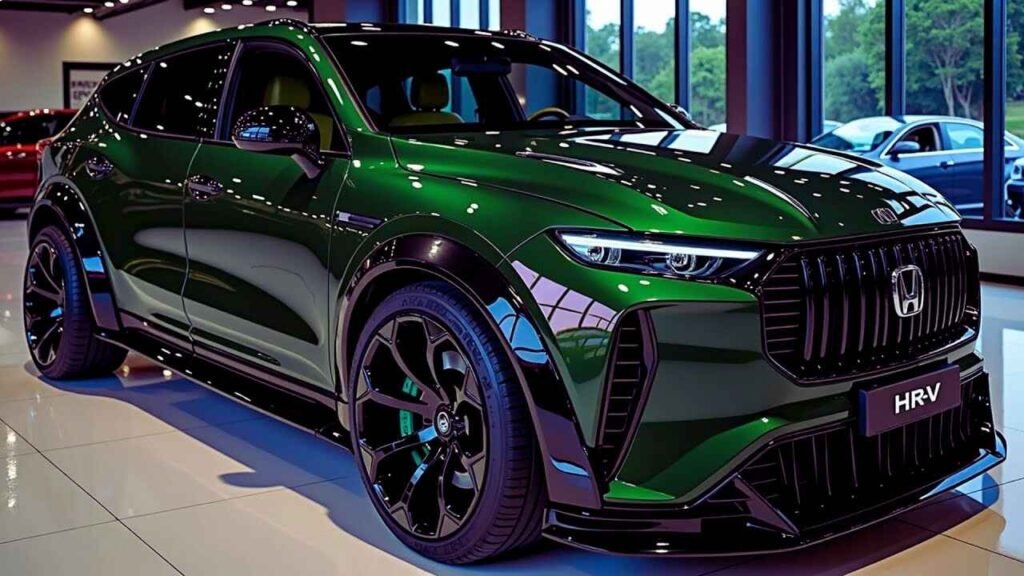
Honda dialed in a more mature, upscale vibe for 2026 without reinventing the wheel, giving the HR-V a cleaner, modern edge that stands out from the crowd. Up front, the honeycomb grille and slender LED headlights create a bold yet refined face, while the side profile flows with sculpted lines and a subtle rear spoiler for that sporty hint. New color options like Boost Blue Pearl and Solar Reflection Metallic add fresh pop, and every trim now rocks rear privacy glass for a touch of sophistication.
Inside, the cabin feels airy and upscale with soft-touch materials and a driver-focused layout. The Magic Seat system lets you flip, fold, or slide the rear bench for up to 55.1 cubic feet of cargo class-leading versatility for hauling bikes or IKEA runs. The Sport trim amps up the athletic look with gloss-black accents, a unique grille, and 18-inch Berlina Black alloys, while the EX-L adds machined 18-inch wheels and leather-trimmed seats for premium polish.
It’s not revolutionary, but the tweaks like dynamic climate knob lighting on EX-L make it feel fresh and far from bland.
Top Mileage and Performance Breakdown
Efficiency is where the HR-V shines without drama, delivering EPA estimates of 26 city/32 highway mpg (28 combined) for FWD models, dropping to 25/30 (27 combined) with AWD. That’s solid for the class, stretching a 12.6-gallon tank to over 350 miles, and real-world tests show it hitting 29 mpg in mixed driving thanks to the CVT’s revised mapping for smoother acceleration.
Performance is adequate rather than thrilling 0-60 mph in about 9.4 seconds feels leisurely on highways, but the well-tuned suspension soaks up bumps for a composed ride. It’s not a rocket like the Mazda CX-30, but the responsive steering and low center of gravity make it fun in city traffic or light off-roading. AWD’s Intelligent Control system shines in rain, distributing power proactively without guzzling extra fuel.
- Owners love the quiet cabin and predictable handling, often averaging 27-30 mpg on commutes.
- Compared to the Hyundai Kona’s thirstier turbo, the HR-V keeps things simple and wallet-friendly.
Smart Features for Everyday Driving
Tech gets a big boost for 2026, with a 9-inch touchscreen now standard on every trim wireless Apple CarPlay, Android Auto, and a wireless charging pad make connectivity seamless. The four-speaker audio is punchy on LX, upgrading to six on Sport and eight on EX-L for better road-trip sound. Honda Sensing safety suite is standard across the board: adaptive cruise, lane-keeping assist, collision mitigation braking, traffic sign recognition, and more keep you protected without overwhelming.
Higher trims add blind-spot monitoring, rear cross-traffic alert, and keyless entry with push-button start. The 7-inch digital gauge cluster and updated HVAC controls feel intuitive, while ambient footwell lighting on EX-L sets a cozy mood at night. It’s all backed by Honda’s Connected Services for remote start and diagnostics via app.
- Voice-activated controls and USB-C ports everywhere ensure everyone stays charged and entertained.
- With over-the-air updates possible, the system stays current without dealer visits.
Pricing and Trim Levels
The HR-V keeps value at its core, making premium features attainable without the premium price tag. The base LX ($26,200) packs the essentials: LED lights, automatic climate control, cloth seats, and full safety tech add $1,500 for AWD to hit $27,700. The Sport ($28,000) is the sweet spot, tossing in heated front seats, six-speaker audio, 18-inch black wheels, and blind-spot monitoring for that extra edge.
Topping it off, the EX-L ($30,000) brings leather upholstery, an 8-speaker system, moonroof, and those fancy alloy wheels. Factor in the $1,395 destination fee, and leases start around $300/month. It’s competitively priced against the Subaru Crosstrek, especially with Honda’s 3-year/36,000-mile warranty and strong resale value.
Conclusion
The 2026 Honda HR-V might not scream for attention, but that’s exactly why it’s underrated delivering spacious comfort, efficient miles, and smart tech in a package that’s as reliable as it is refined. For buyers who want an SUV that just works without the bells, whistles, or wallet drain, this one’s a hidden gem ready to surprise. Test drive one soon; you might wonder why you ever looked elsewhere.
FAQs About the 2026 Honda HR-V
Q: What’s new for 2026 that makes it worth the upgrade?
A: The standard 9-inch touchscreen, wireless charging, and rear privacy glass on all trims plus fresh colors and wheels bump up the appeal without jacking prices.
Q: Is AWD necessary, or can I skip it?
A: It’s optional for $1,500 and great for bad weather, but FWD handles most duties fine with just a 1-mpg hit to efficiency.
Q: How does cargo space compare to rivals?
A: At 24.4 cubic feet behind the seats (55.1 folded), it’s tops in class, thanks to the clever Magic Seats that outdo the Chevy Trax or Kia Seltos.
Q: Any word on a hybrid version?
A: Not for 2026, but Honda’s teasing one soon stick with this gas model for now if you want immediate availability and lower entry cost.
Q: What’s the best trim for value?
A: The Sport hits the bullseye with style upgrades and conveniences like heated seats for just $1,800 over LX, without EX-L’s luxuries.