A Small Coin with Big History
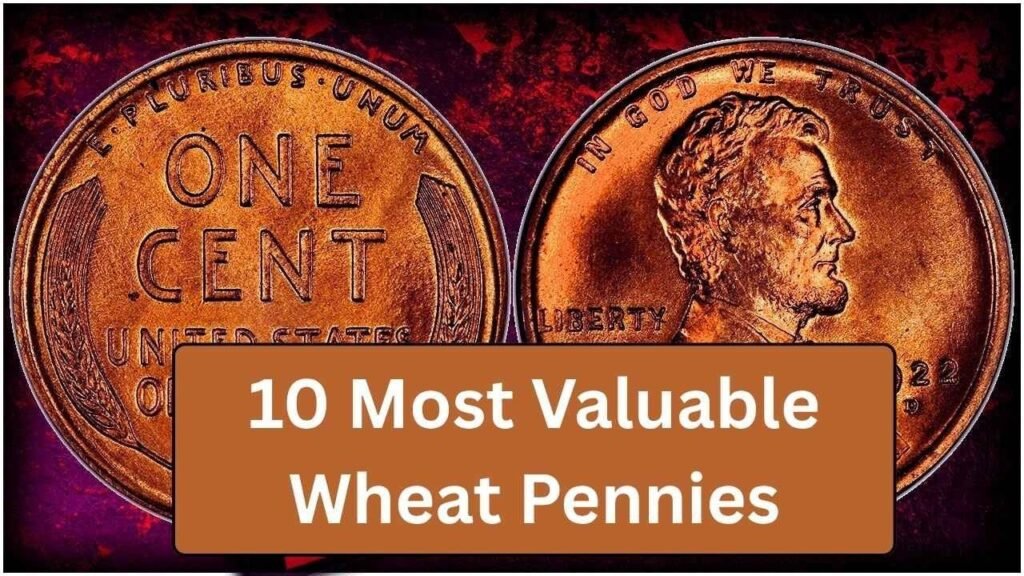
The humble Wheat Penny, also known as the Lincoln Wheat Cent, might seem like an ordinary coin to the untrained eye. But for collectors and history enthusiasts, it’s a tiny piece of American heritage. First minted in 1909 to honor President Abraham Lincoln’s 100th birthday, the Wheat Penny remained in circulation until 1958. Its simple yet elegant design, featuring Lincoln’s portrait on one side and two wheat stalks on the reverse, became one of the most recognizable coin designs in U.S. history. In 2025, these coins continue to attract collectors for their charm, historical value, and growing rarity.
Rising Value in the Modern Market
Over the years, Wheat Pennies have proven to be more than just old change they’ve become miniature investments. The value of these coins depends on their year, mint mark, and condition. For example, common Wheat Pennies from the 1940s or 1950s might fetch between 5 to 20 cents each, while rare versions like the 1909-S VDB or the 1914-D can be worth hundreds or even thousands of dollars. The steady rise in coin collecting during recent years, fueled by online marketplaces and younger investors entering the hobby, has given Wheat Pennies a renewed spotlight in 2025.
| Year / Variety | Mint Mark | Estimated Value (2025) | Notes |
|---|---|---|---|
| 1909-S VDB | San Francisco (S) | $700 – $1,200+ | Most famous and rarest Wheat Penny |
| 1914-D | Denver (D) | $250 – $1,000 | Scarce and highly sought-after |
| 1922 Plain | No Mint Mark | $400 – $800 | Unique error with missing mint mark |
| 1943 Copper | None | $100,000+ | Legendary rarity—only a few exist |
| 1955 Double Die | Philadelphia (P) | $1,000 – $5,000 | Famous error coin with doubled text |
Why Collectors Love Wheat Pennies
There are several reasons collectors can’t resist Wheat Pennies. First, they’re easy to find many still turn up in old jars, collections, or inherited coin albums. Second, they’re affordable to start with, making them perfect for beginners. Third, every Wheat Penny tells a story, whether it’s about wartime shortages, minting errors, or the evolution of U.S. currency design. Collectors also enjoy the thrill of finding rare varieties that could be worth a small fortune. In 2025, the market for these coins remains strong, with grading services and online coin shows helping collectors buy and sell with confidence.
Tips for Collecting in 2025
To start collecting Wheat Pennies, focus on learning to identify key dates and mint marks. Coins minted in San Francisco (S) and Denver (D) are often more valuable than those from Philadelphia. Condition is everything coins with little wear, bright luster, and sharp details are worth far more than worn examples. Many collectors also choose to have their rare coins professionally graded by services like PCGS or NGC to ensure authenticity and boost resale value. Storing coins properly in acid-free holders or albums can help preserve their quality for years to come.
A Nostalgic Investment with Lasting Appeal
Wheat Pennies offer a unique blend of nostalgia, history, and financial potential. Unlike many modern collectibles that lose value over time, these classic coins continue to appreciate as they become scarcer each year. In 2025, they remain an accessible way for anyone to step into the world of coin collecting. Whether you’re chasing the rare 1909-S VDB or simply saving the coins that once jingled in America’s pockets, Wheat Pennies remind us that sometimes the smallest treasures hold the biggest stories.
In Conclusion
The 2025 market for Wheat Pennies proves that old coins never truly go out of style. They capture a piece of history, carry lasting value, and connect generations through a shared love of collecting. So next time you come across a Wheat Penny, take a closer look you might just be holding a little piece of American gold in copper form.